


Having integrated the Ulyanovsk plant "Kontaktor" into its structure, IEK GROUP not only united teams of professionals with many years of experience in producing high-class electrical products. The company acquired a powerful laboratory capable of conducting a full range of tests on electrical apparatus for AC and DC – the Electrical Equipment Testing Center (EETC).

Any electrical equipment, before appearing on the market or being put into operation, requires verification – whether its technical characteristics correspond to the declared ones, whether it is safe. Moreover, its quality must be monitored at all stages of its life: during development and production, when leaving the assembly line, during operation.
The EETC of the "Kontaktor" plant is one of the most powerful domestic laboratories for testing electrical equipment. Created back in 1964, it has vast experience. How does it differ from the rest?
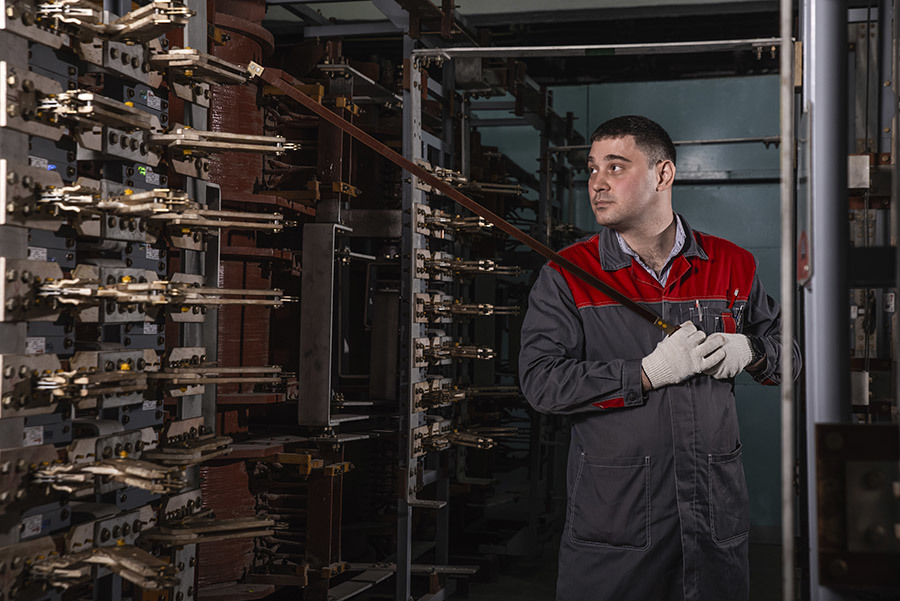
What does the Testing Center test?
The EETC can conduct tests on a wide range of electrical equipment.
Low-voltage equipment: AC and DC circuit breakers, low-voltage switchgear, circuit breakers for protection against overcurrents for household and similar purposes, electrical traction apparatus, switches, disconnectors, switch-disconnectors and their combinations with fuses.
High-voltage electrical equipment: complete transformer substations, switchgear cubicles, switchgear compartments, AC circuit breakers for voltages from 3 to 750 kV, AC disconnectors and earthing switches for voltages above 1 kV, fast-acting DC circuit breakers.
What test equipment is available?
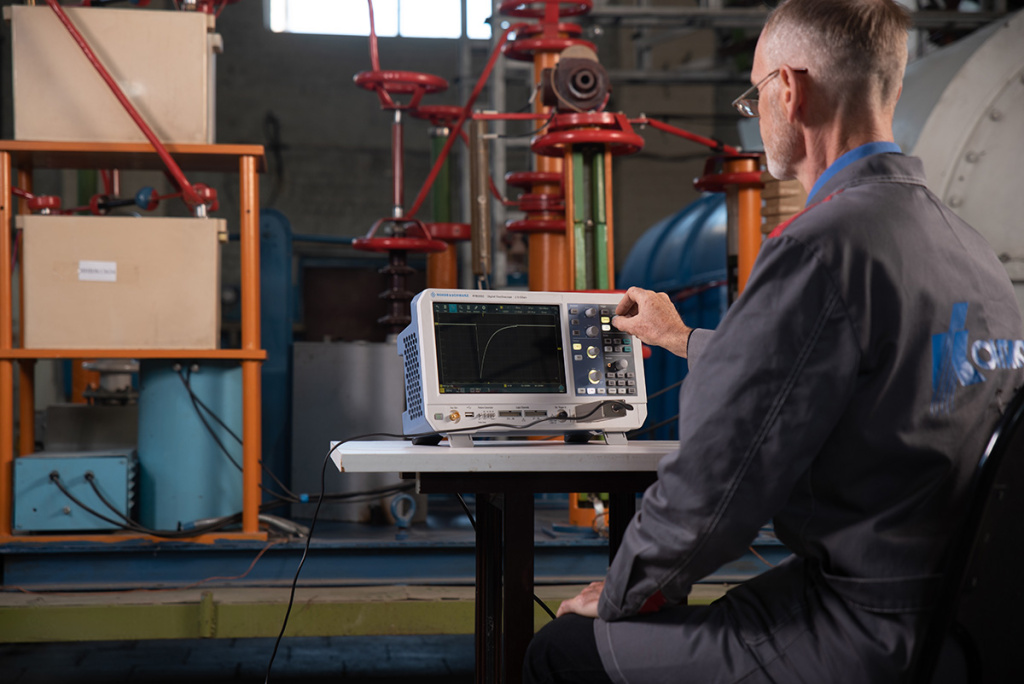
The EETC has an extensive equipment fleet, which is regularly updated. More than 60 test stands help specialists control fire hazard and electrical insulation parameters, check seismic and vibration resistance of electrical equipment, mechanical and electrical endurance with an unlimited number of cycles, resistance to heating by three-phase alternating current at 50 Hz and direct current up to 18,000 A.
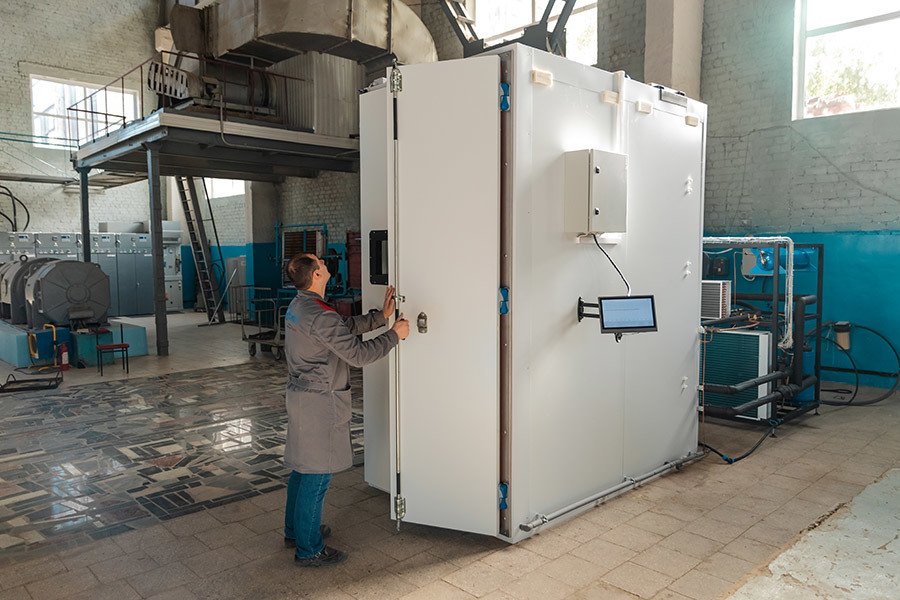
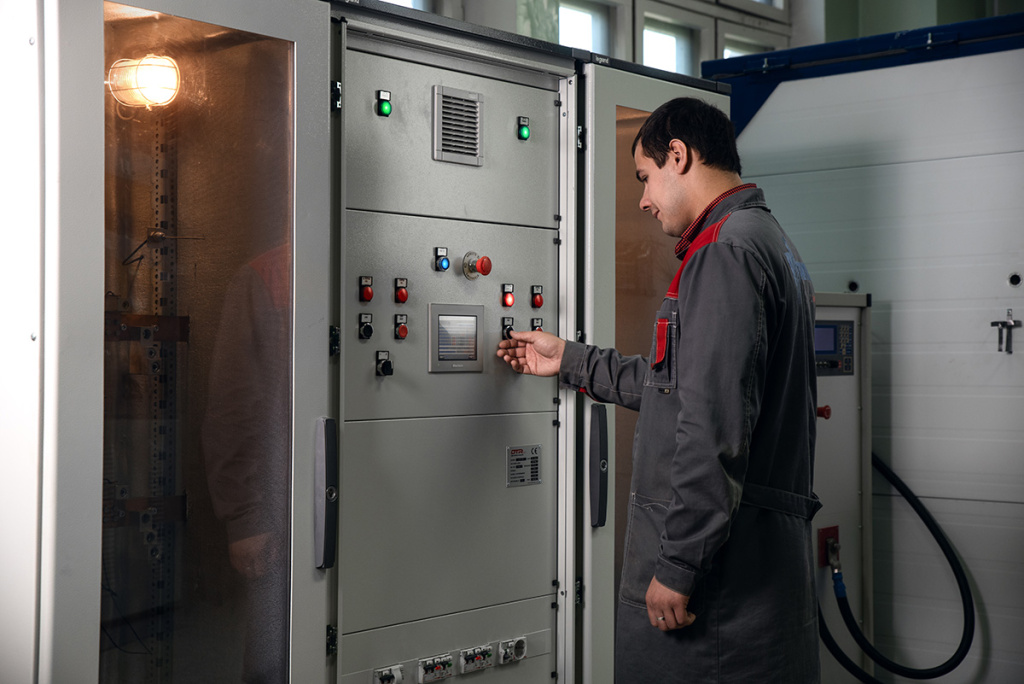
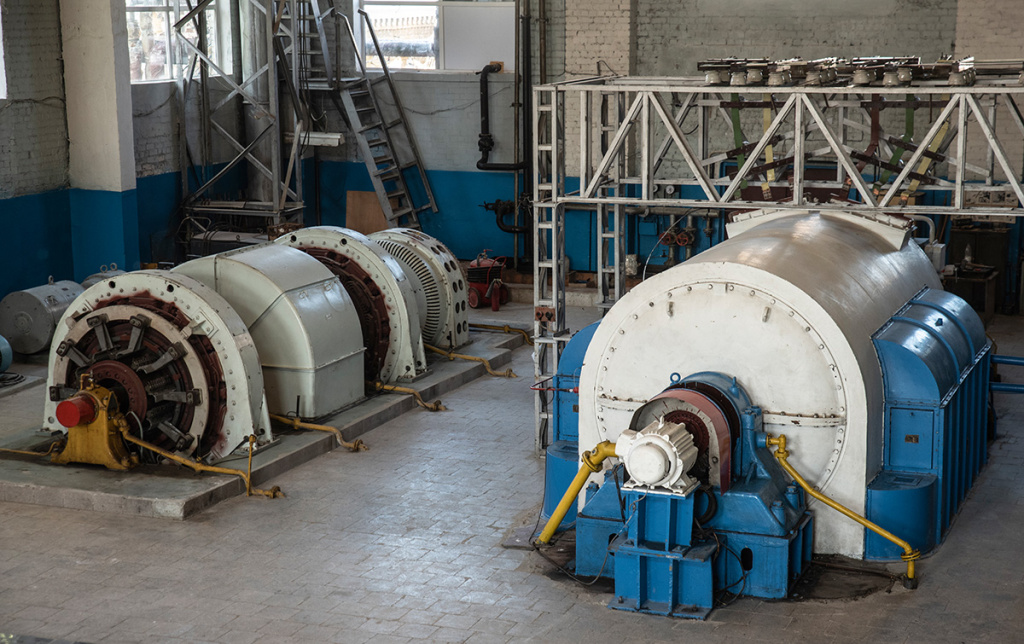
Test installations for large objects (for example, a "heat-cold-moisture" chamber with a volume of over 5 cubic meters) allow testing cabinets, low-voltage switchgear, cubicle switchgear and other large electrical products.
There are climatic installations for testing electrical apparatus in the temperature range from -60 to +130 °C at air humidity up to 98% in cyclic and continuous modes. And thanks to two powerful generators (25 MW and 10 MW), the EETC can generate currents up to 160,000 A.
IEK GROUP plans to develop the EETC's competencies. In the future – creating a separate laboratory with a fleet of specialized stands for conducting a full cycle of tests on modular equipment, expanding capabilities for testing wiring accessories and motor control gear.
Who can use the capabilities of the EETC?
Any Russian and foreign enterprise that needs to test its electrical equipment.
The EETC's competencies extend to the countries of the Customs Union. Since 2016, the Center has been conducting all types of tests, including certification ones, for low-voltage AC and DC circuit breakers for industrial, household and similar purposes for mandatory certification and declaration of conformity to the requirements of TR CU 004/2011.
The EETC also conducts research tests for enterprises in countries outside the Customs Union, for example, China, India. At the Testing Center, you can order certification and research tests for compliance with state and international standards, as well as special manufacturer requirements.
The EETC can be trusted!
The professionalism and competence of the EETC are evidenced by:
- Accreditation by the Federal Service for Accreditation. The EETC regularly confirms its qualifications within the national accreditation system according to GOST ISO/IEC
17025-2019. - High assessment of quality management, material and technical base, qualifications and experience of employees. EETC specialists use only modern methods and verified measuring instruments, work in accordance with the legislation of the Russian Federation and are responsible for the unreliability or bias of the results obtained.
- The probability of errors during tests at the EETC is reduced to zero: the influence of the human factor is minimized, measurement processes are automated, test deadlines and costs are optimized.