


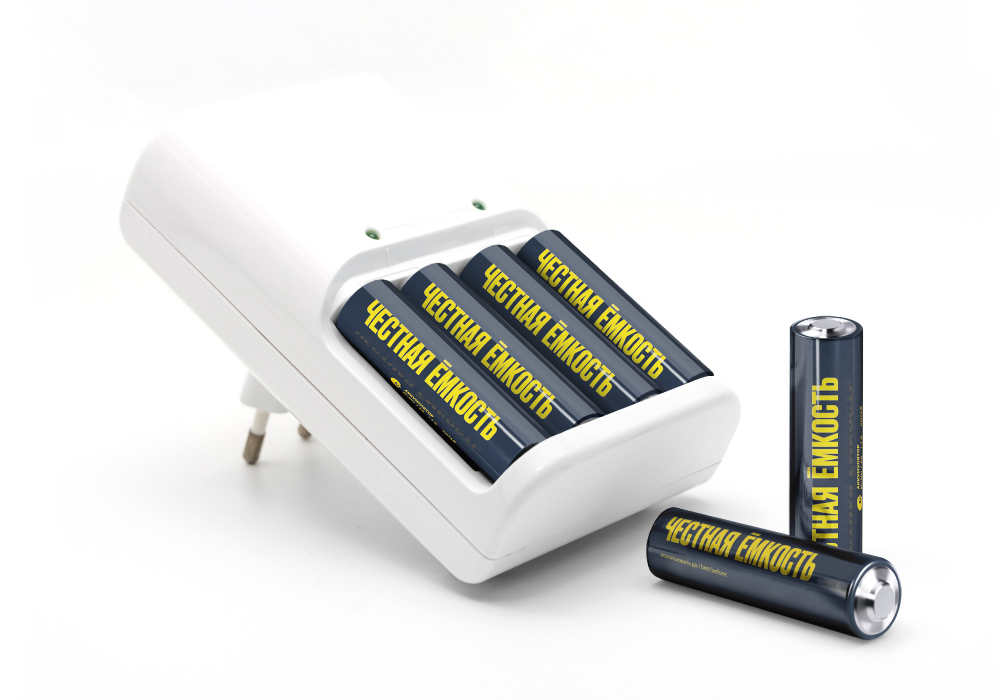
Rechargeable batteries have long become an ordinary item in our lives. But how do they work? How to charge them correctly? And is it true that they are inferior in power to alkaline batteries? All answers are in this article.
1. What does the charging process look like "from the inside"?
Let's recall the principle of operation of galvanic devices. They consist of an anode (+) and a cathode (–), placed in a conductive medium (electrolyte). When connected to a closed circuit inside the power cell, a chemical oxidation reaction starts, energy is generated, which is converted into electric current. Charged particles move from the anode to the cathode, passing through the device along the way and giving it their energy.
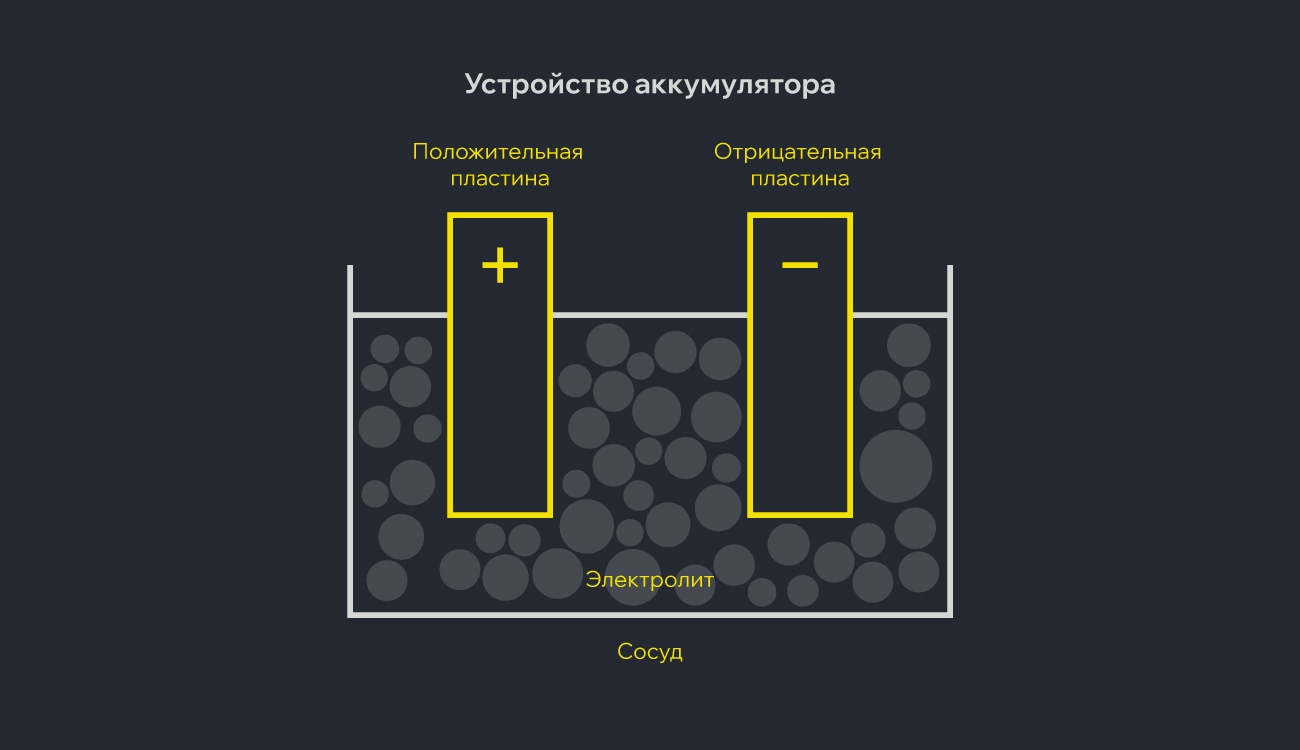
In batteries, this reaction is irreversible: with each use, its components are destroyed, and the capacity is expended irrevocably. But the composition of rechargeable batteries is selected in such a way that the elements can be restored.
An example of such a composition is nickel-metal hydride (Ni-MH) rechargeable batteries. When you place them in a charger, a reduction reaction starts, and the current flows in the opposite direction: from "minus" to "plus". The components of the rechargeable battery return to their initial state, and it is ready to work again.
2. What is battery capacity and what does it affect?
Capacity is measured in mAh and shows how long (h) a fully charged power cell will deliver a current of a certain value (mA) until fully discharged. That is, how long the battery is ready to power the device.
The larger this parameter, the less often you will have to charge the battery, which means it will last longer. Unfortunately, for this reason, some manufacturers indicate an obviously larger capacity, misleading buyers. IEK has a different position: we guarantee that the declared characteristics correspond to the real indicators of our power cells.
3. How to properly charge rechargeable batteries?
No matter how well the charger works, the battery capacity will still not be restored to 100%. Therefore, each of them has a "life reserve" — the number of recharge cycles.
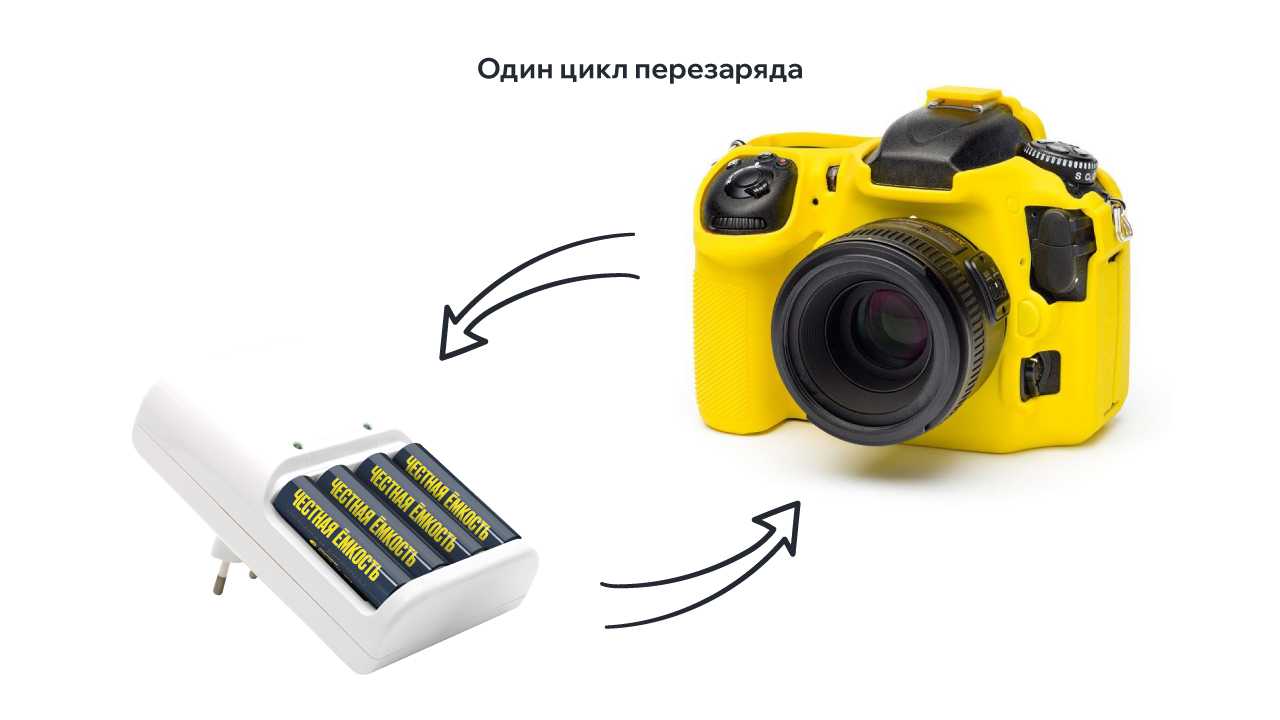
1 cycle is the use of battery capacity from one charge to another: charged / discharged / placed in the charger. Even if the capacity at the start of charging is not completely used up, the cycle ends. Therefore, to maximize the battery's potential, it is important to fully charge and discharge it — otherwise, part of the power will simply be lost.
Lithium-ion and nickel-cadmium batteries also have a tricky "memory effect": their capacity does not rise above the level of the previous charge. Therefore, if they are not fully charged, part of their power is lost forever. If you want to avoid such trouble, leave enough time for battery recovery or choose IEK nickel-metal hydride power cells — they have no memory effect.
4. What is self-discharge?
The chemical reaction inside a power cell starts with the circuit closing, but it never stops completely. Therefore, all batteries and rechargeable batteries have a self-discharge effect: they "run down" even if not connected anywhere.
The first rechargeable batteries had huge self-discharge: they lost up to 10% capacity per day! So buyers quickly lost interest in them.
It's impossible to completely eliminate this effect, but it can be minimized. For example, IEK rechargeable batteries lose no more than 3% capacity per year, which means they last a long time and retain maximum energy for your device.
5. Where can they be used?
The voltage of rechargeable batteries is slightly lower than that of alkaline batteries — 1.2 vs. 1.5 V. Because of this, an opinion has formed that rechargeable batteries are not suitable for powerful devices. But that's not true at all: rechargeable batteries are ideal for equipment and gadgets with high energy consumption.
Feel free to install them in photo and video cameras, flashes, joysticks, and radio-controlled toys. If you follow simple charging rules, you will be able to fully enjoy using rechargeable batteries and significantly save on buying batteries.
IEK rechargeable batteries are an efficient, reliable, and safe solution for powerful devices and gadgets. They do not contain mercury, cadmium, lead, or other harmful substances. The patented anti-explosion protection system prevents electrolyte leakage and fires. Low self-discharge and honest capacity guarantee long battery life.
Besides rechargeable batteries, you will find alkaline and lithium batteries of the most common sizes in our assortment. In "Honest Capacity" power cells, only modern technologies for safe and efficient operation of your devices!